Pacific Islands
Mastering atoll passes and coral reef navigation to unlock access to remote cultures.
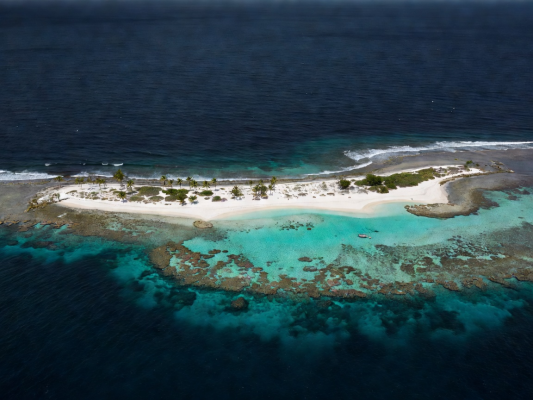
The Challenge of Coral Atoll Navigation
The vast expanse of the Pacific Ocean contains some of the most remote and rewarding cruising grounds on the planet, including French Polynesia, Fiji, and the Cook Islands. The primary maritime challenge in this region is the coral reef. Many of the most spectacular inland excursions are located on islands encircled by barrier reefs. Accessing the protected lagoons requires navigating narrow, tidal-swept passes.
Timing these passes is an exact science. Captains must calculate tidal flows to ensure the vessel transits during slack water, avoiding dangerous standing waves and severe currents that can exceed six knots. Once inside the lagoon, visual navigation—often requiring a crew member stationed at the bow or aloft—is necessary to spot coral heads (bommies) that do not appear on electronic charts.
Deep Inland and Cultural Excursions
The reward for this navigational rigor is unprecedented access to untouched inland environments. In the Pacific, the transition from yacht to land often involves interacting with traditional communities. Exploring vanilla plantations, black pearl farms, or deep jungle waterfalls requires a high degree of cultural sensitivity and local coordination. We prioritize engaging with village elders and local guides to ensure our footprint is respectful and welcome.
Logistically, the Pacific demands self-sufficiency. Unlike the Mediterranean, you cannot rely on local marinas for spare parts, high-end provisions, or rapid connectivity. Excursions must be provisioned entirely from the mothership, meaning tenders must carry emergency medical supplies, satellite communication devices, and sufficient water for full-day hikes into the humid, volcanic interiors.
Pros and Cons of Pacific Island Excursions
- Pro: Ultimate seclusion and access to pristine, untouched natural environments.
- Pro: Deep, authentic cultural immersion with local communities.
- Con: Extreme isolation means maritime emergencies require total self-reliance.
- Con: Navigational hazards (coral reefs) require daylight-only movement in many areas.
Execution Strategy
A Pacific Island itinerary is defined by pace. The sheer distances involved mean that vessels spend significant time underway. We design our itineraries to balance long ocean passages with extended stays (3-5 days) within a single lagoon system. This allows guests to fully decompress and engage in multi-day inland explorations without the pressure of an impending departure.
By blending cautious, highly technical seamanship with respectful, deep-dive inland cultural planning, the Pacific Islands offer an unparalleled yacht-to-land adventure.