Nordic Fjords
Deep-water anchorage strategies and glacier logistics in the high latitudes.
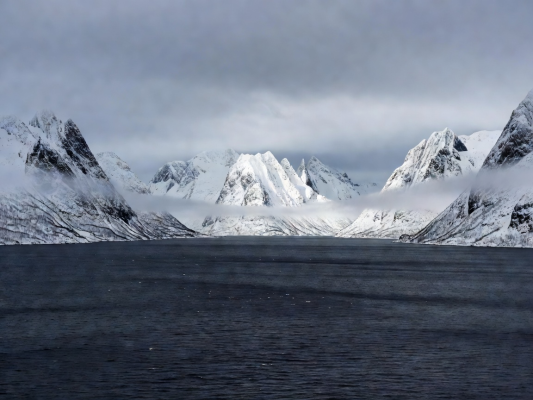
Navigating the Extreme Verticality
The Nordic Fjords—spanning regions from western Norway up to the remote archipelagos of Svalbard—present some of the most dramatic topographies on Earth. The transition from marine navigation to land exploration here is governed by extreme verticality. Water depths can exceed hundreds of meters merely a stone's throw from the shoreline, making traditional anchoring techniques nearly impossible in many locations.
Vessels operating in these latitudes often utilize dynamic positioning systems or stern-tying to rock walls to secure their position. Once the vessel is stable, the expeditionary phase begins. Unlike tropical destinations, tender operations here demand robust, enclosed vessels to protect passengers from frigid wind chill and unpredictable squalls, even during the summer solstice when the region experiences the phenomenon of the midnight sun.
Environmental Regulations and Gear Logistics
The pristine nature of the Nordic wilderness means it is heavily protected. Strict environmental regulations govern where vessels can discharge, speed limits near wildlife, and specific zones where disembarkation is permitted. Understanding and adhering to these mandates is critical to maintaining access to these fragile ecosystems.
On land, excursions range from steep hikes ascending massive rock pulpits to guided traverses across ancient glaciers. The logistics of these excursions require significant gear preparation. Transitioning guests from the comfort of a heated superyacht to a demanding glacial environment means equipping them with crampons, ice axes, and multi-layered cold-water survival gear before they ever step onto the tender.
Pros and Cons of High Latitude Adventures
- Pro: Unmatched raw natural beauty with opportunities to observe unique marine and terrestrial wildlife.
- Pro: Endless daylight in summer allows for extraordinary flexibility in timing excursions.
- Con: Highly unpredictable and rapidly changing weather systems.
- Con: Limited maritime infrastructure; vessels must be highly self-sufficient and well-provisioned.
Preparation Criteria
Vessels attempting Nordic itineraries must be ice-classed if venturing far north, or at the very least equipped with advanced thermal imaging and forward-looking sonar to detect glacial debris. We focus on identifying secure, deep-water inlets where the topography provides shelter from the open ocean swell, allowing a safe transfer platform for kayakers and hiking parties.
This is a theater of operations that rewards over-preparation. The contrast between the stark, harsh exterior environment and the secure, luxurious interior of the vessel creates a deeply compelling adventure narrative, provided the logistics are executed flawlessly.